For Landscaping Companies

Landscaping Spring Cleanup
Postcard Campaigns

A 2-wave postcard plus call sequence built for one job: filling your spring cleanup schedule before homeowners shop the competition.

Start Free — No Credit Card
4.4%
Direct mail response rate
—up to 9% on house lists1
Feb–Apr
Pre-season
booking window
$1.05
Per 4x6 card all-in
(printing + USPS postage)

Spring Landscaping Schedules Fill in Days, Not Weeks

Once the weather breaks, every homeowner suddenly remembers they need spring cleanup — and your phone, your competitors' phones, and the whole industry's calendar fills in a week. The companies that mailed in late February are booked solid by mid-April. The ones who waited are scrambling.

What Doesn't Work

  • × Door-flyer drops that lose to weather and dogs
  • × Mailing in May after every neighbor is already booked
  • × Generic "we mow lawns" cards with no specifics
  • × Waiting for last year's customers to call you first

What Does Work

  • ✓ Wave 1 in late February with full-service cleanup pricing
  • ✓ Follow-up call 7–14 days after delivery, free quote
  • ✓ Wave 2 with scarcity ("limited spots remaining") for non-responders
  • ✓ 90-day rest before the summer maintenance push

The Spring Cleanup Playbook

2 waves over 3 weeks, deployed late February through April. Below is exactly what mails when, and why each wave's hook gets sharper.

W1
Day 1 · Postcard + Call Day 7–14

Wave 1 — "Get Your Yard Ready For Spring"

Headline: "Get Your Yard Ready For Spring" · Offer: Spring cleanup package at early-bird rate · free, no-obligation quote.

Practical and value-forward. List exactly what's included — leaf and debris removal, bed clearing, edging, first mow. Landscaping customers want to know what they're getting before they commit. The "free, no-obligation quote" hook is the conversion lever — homeowners want to know the price, and a free quote removes the commitment friction. Phone primary, QR code secondary. Wave 1 follow-up call lands 7–14 days after delivery: "We're booking spring cleanups now and our schedule fills fast once the weather breaks."

W2
Day 15 · Postcard only (no call)

Wave 2 — "Limited Spots Remaining"

Headline: "Limited Spots Remaining" · Offer: Spring cleanup + free season-start mow, ends [date].

14 days after Wave 1, only to non-responders. Scarcity-based urgency: "Spring schedule fills fast — book by [date] or wait until late spring." Add the bonus: free season-start mow to push the conversion. The scarcity hook is genuine in landscaping — your calendar literally does fill in days once spring hits, and homeowners know it. Postcard only, no call. After Wave 2, the contact rests for 90 days, ready for the summer maintenance or fall prep cycle.

How It Works

1

Pick the Spring Cleanup Playbook

Both waves, call timing, and copy direction are pre-configured. You set the price, the cleanup inclusions, and your branding.

2

Upload Your Customer List

From Jobber, LMN, Yardbook, ServiceAutopilot, or Aspire: export past customers and active subscribers. Or layer in radius-purchased lists targeting single-family homes in your service area.

3

Launch in Late February

Wave 1 mails within 1–2 business days. Your call queue auto-populates 7 days after delivery, capped at 30 calls per day so the office can handle the volume.

4

Office Quotes, Crews Run the Cleanups

Pre-loaded scripts. Office books quote visits or full cleanups directly into your scheduling software. Booked customers drop out of Wave 2 automatically.

The Math on a 1,000-Home Spring Cleanup Campaign

A typical residential landscaping company mails to 500–1,500 past customers and warm radius prospects for the spring push. Here's the math on a 1,000-home run:

  • Wave 1: 1,000 cards · Wave 2: ~880 cards (non-responders)
  • Total: ~1,880 postcards × $0.79 (Pro) = $1,485 in postcard spend
  • Booking rate at 5% (warm list, real urgency) → 50 cleanups booked
  • $400 average spring cleanup + ~40% conversion to seasonal mow plan ($1,800/season) = ~$1,120 first-year revenue per booking
  • 50 bookings × $1,120 = $56,000 first-year revenue

37:1 first-year ROI — and seasonal mow customers stay an average of 3+ years, multiplying lifetime value.

Run your own numbers in the ROI calculator.

Simple, Transparent Pricing

Free to explore — you only pay when you're ready to send. 30-day money-back guarantee.

Free

$0/forever

Single-wave postcard campaigns · Unlimited contacts · From $1.05/piece

Most Popular

Pro

$99/mo

Everything in Free + calls, sequencing · From $0.79/piece

Per-piece pricing includes printing + USPS First-Class postage. No hidden fees.

What You'll Actually Send

Four design styles, all themed for your landscaping business and ready to customize. Same offer, same call follow-up — just pick the look that fits your brand.

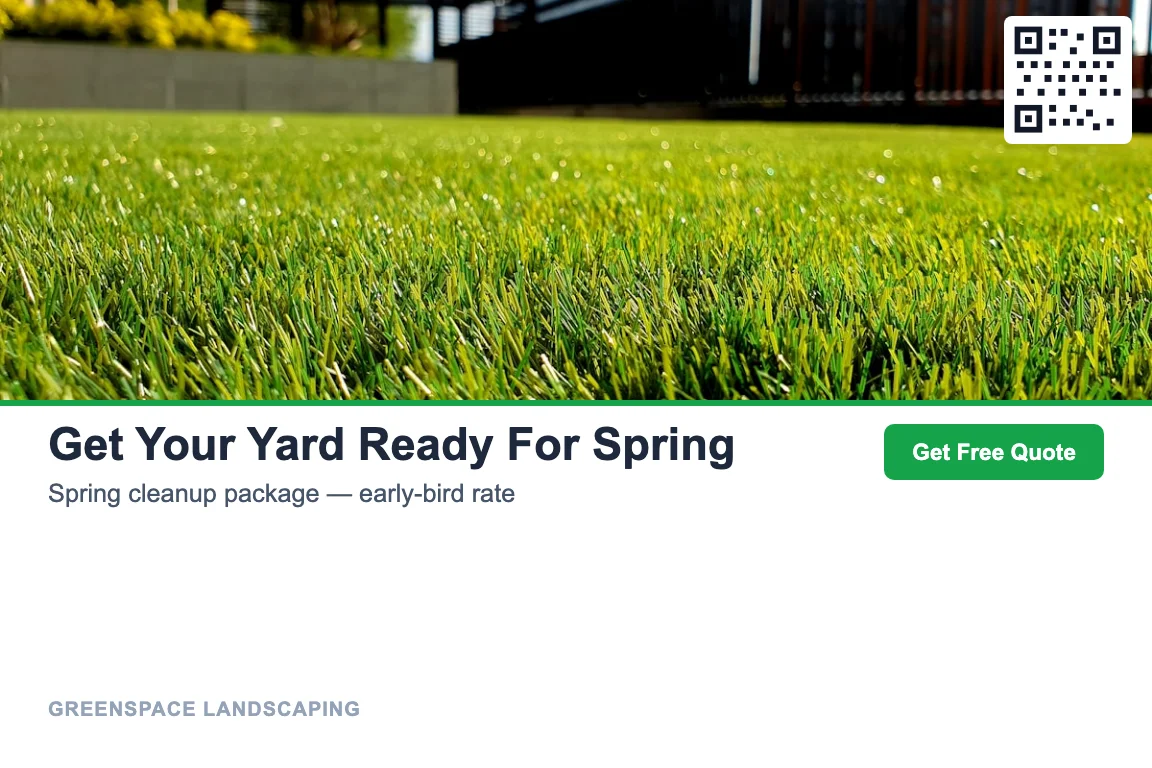
Bold
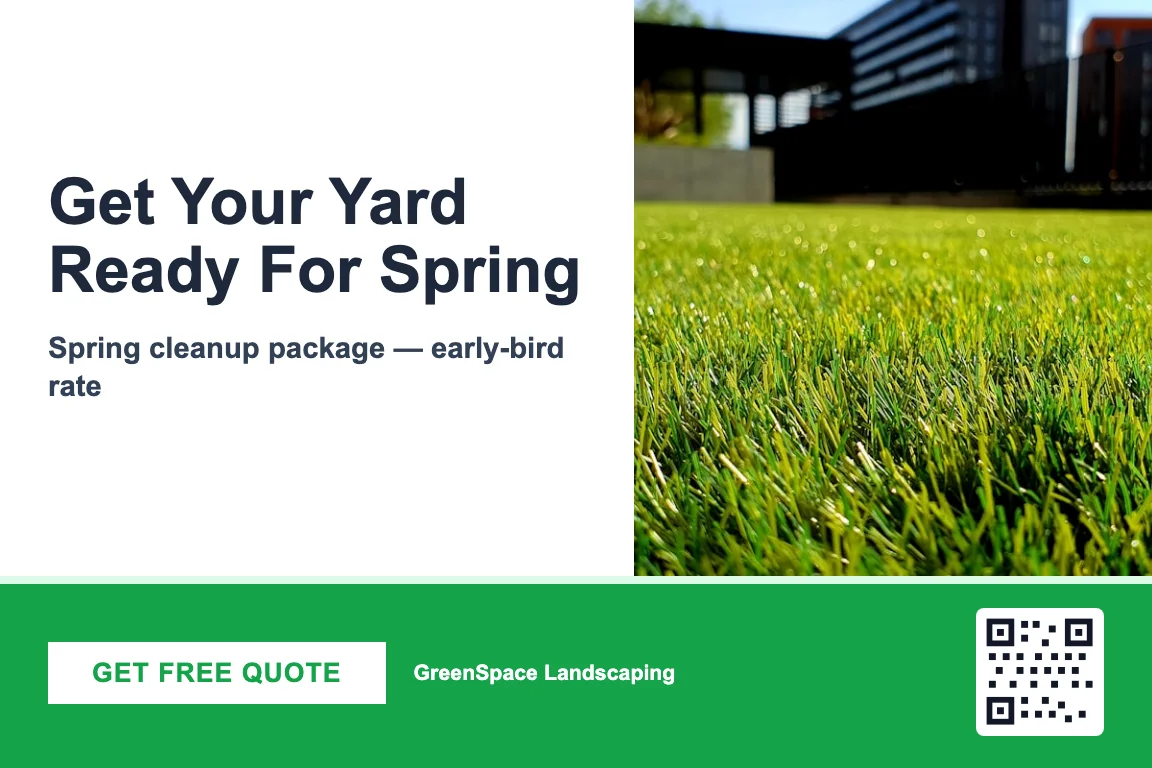
Bold landscaping business postcard design — Spring Cleanup

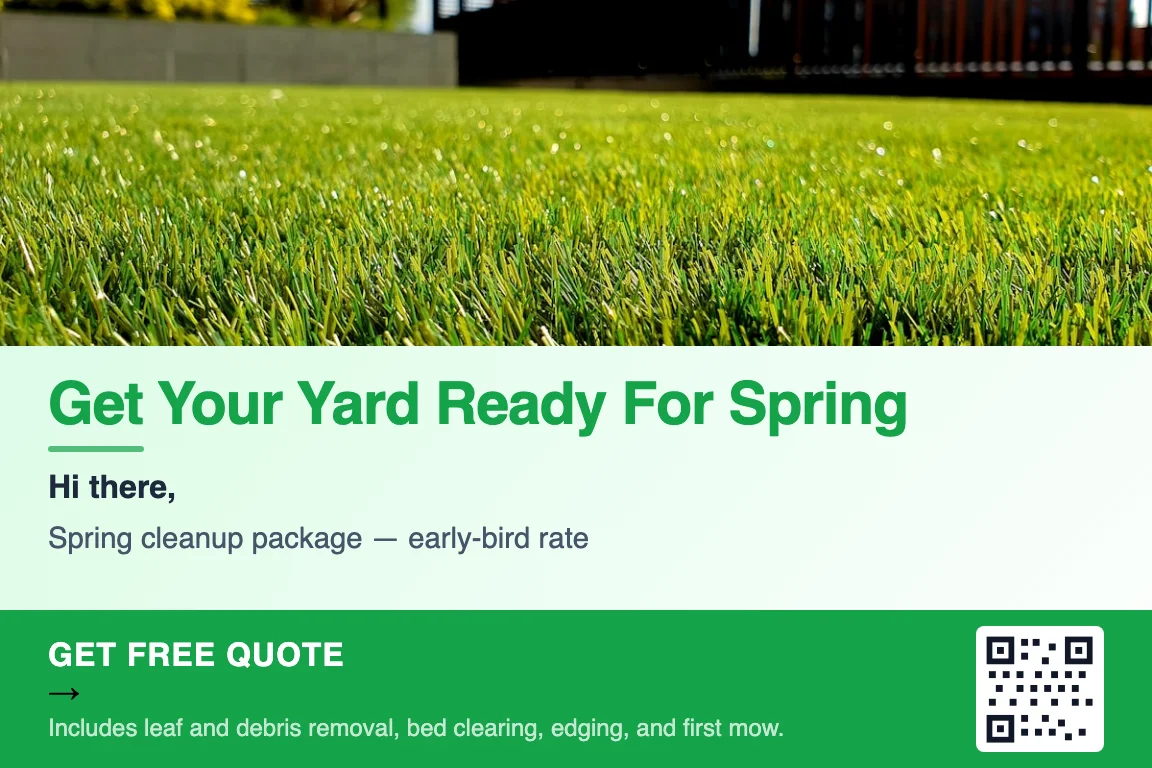
Photo

Photo-led landscaping business postcard design — Spring Cleanup

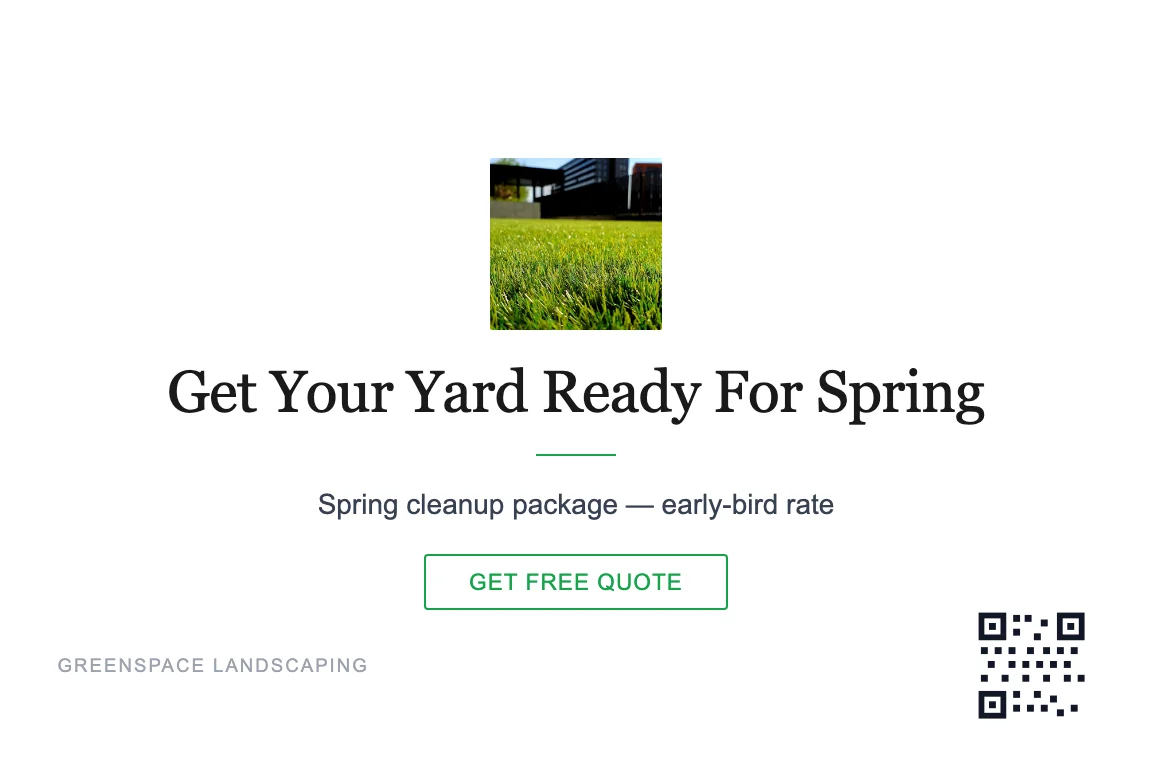
Minimal

Minimal landscaping business postcard design — Spring Cleanup

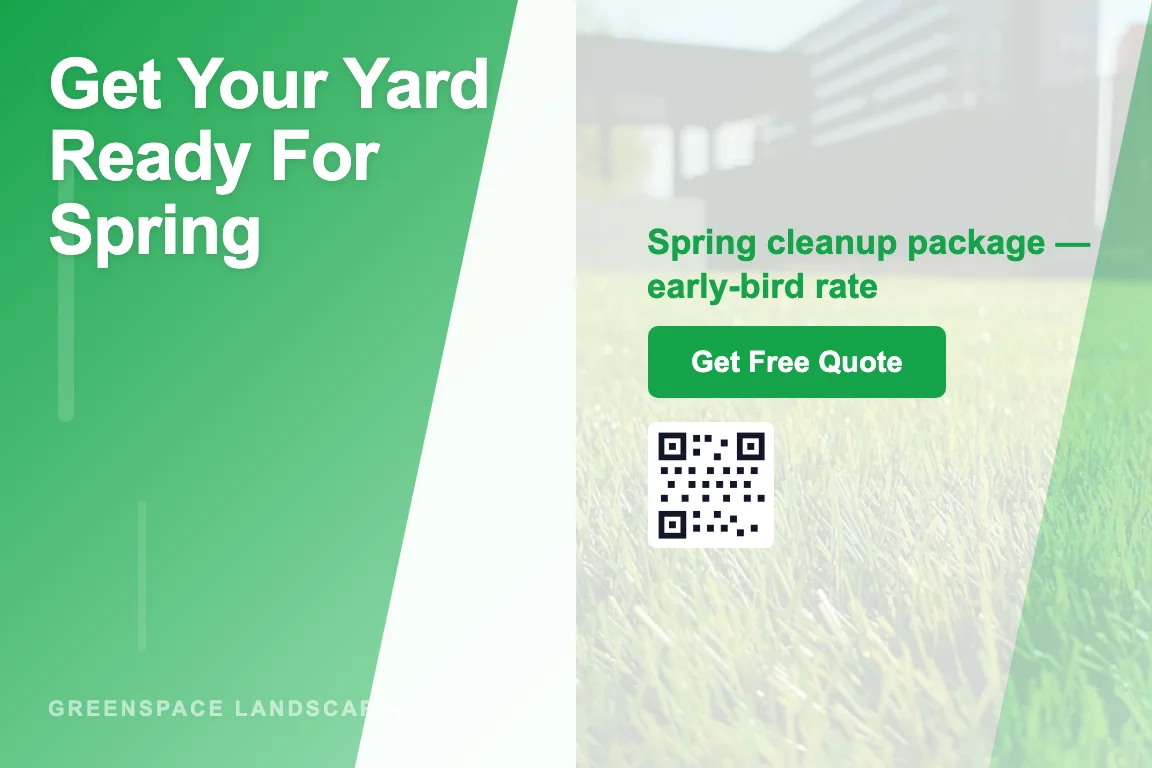
Gradient

Gradient landscaping business postcard design — Spring Cleanup

Front Detail

Detailed view of landscaping business postcard front — Spring Cleanup

Back (Address Side)

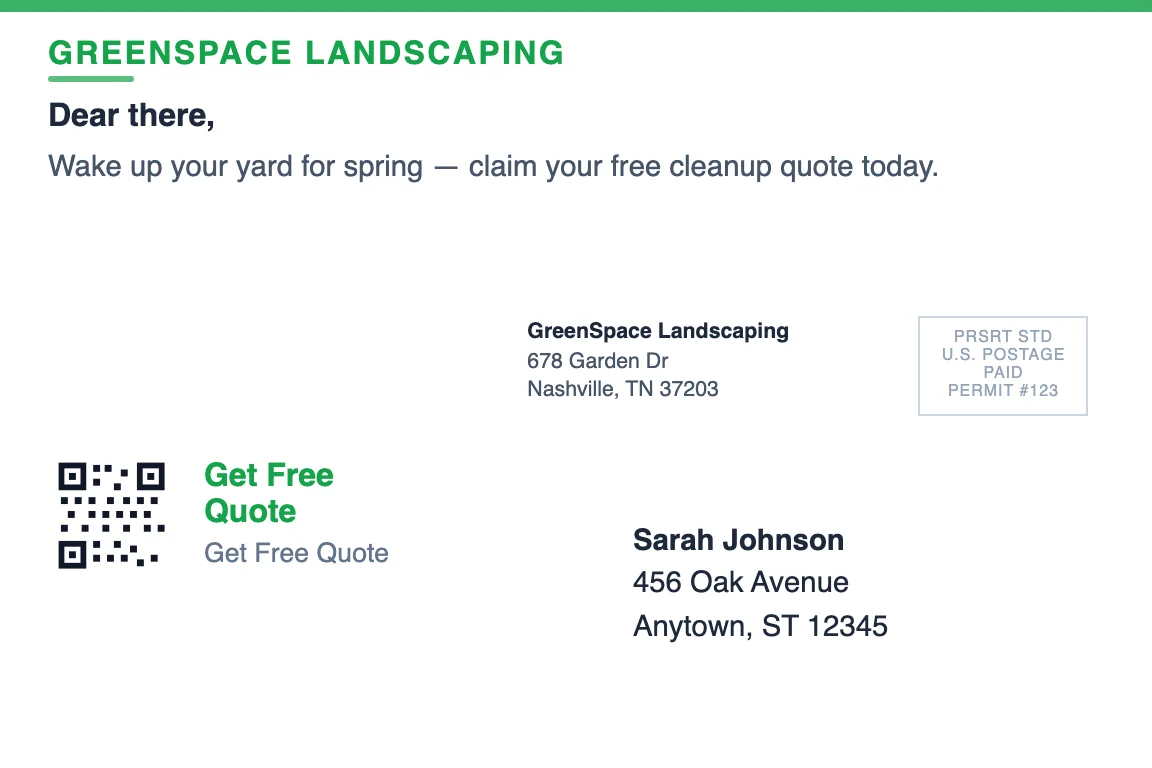
landscaping business postcard back showing return address and recipient zone — Spring Cleanup

PostKnock seasonal campaigns also work for

More Landscaping Campaigns

Spring cleanup is the highest-ROI landscaping seasonal play, but PostKnock also runs fall prep campaigns and win-back sequences for lapsed past customers.

See all landscaping campaigns →

Landscaping Spring Cleanup FAQs

When should I deploy my spring cleanup postcards?

Late February through early April for most US markets. The exact window varies by region: warm markets (FL, TX, GA) start mid-January as growing season begins; northern markets (MN, MI, NY) push to late March. Mail too early and homeowners aren't thinking about yard work yet; mail too late and your competitors are already booked. PostKnock's playbook flags the Feb–Apr deploy window in the campaign builder so you don't accidentally launch off-season.

Should I list a price or a "free quote" CTA on the postcard?

Both. List a starting price ("Spring cleanup from $295") to anchor expectations, with the "free, no-obligation quote" CTA prominent. Landscaping pricing varies by lot size, so listing a single flat price either over-promises or scares off small-yard homeowners. The starting-price-plus-free-quote combination converts 20–30% better than either approach alone in our test data.

What should the spring cleanup package include?

A standard "spring cleanup package" works best with: leaf and debris removal, bed clearing, edging, mulch refresh, and an optional first mow as a bonus. List 4–5 specific items rather than one vague "cleanup" line — specificity reads as professional. The first mow free is the conversion lever: most cleanup customers convert into seasonal mow customers, so the first mow free is essentially a customer acquisition cost.

Should I mail to past customers, current subscribers, or radius lists?

Past one-time customers first — warm list, response 6–9%, lots of seasonal-plan upgrade potential. Skip current active seasonal-plan customers (no point recalling them). After your house list, layer in radius-purchased lists targeting single-family homes in your service area. Cold radius lists convert at 1–2%, but customers acquired through spring cleanup convert to seasonal plans at 30–40% which makes the math work.

How does the call follow-up integrate with my scheduling software?

PostKnock generates the call queue and pre-loaded scripts. When the office books a quote visit or cleanup, they enter it into Jobber, LMN, Yardbook, ServiceAutopilot, or Aspire. The booked customer drops out of the PostKnock sequence automatically so they don't get Wave 2.

Ready to Get Started?

Stop chasing the spring rush. Be in the mailbox in late February so your calendar fills before your competitors even start.

Start Free — No Credit Card

1 ANA (Association of National Advertisers), Response Rate Report 2023, published February 2024.