A 2-wave seasonal postcard plus call sequence built for one job: filling your spring tune-up calendar before the first hot day of the year.
Start Free — No Credit CardOnce the first hot day hits, your phone rings off the hook with emergency calls and your tune-up calendar is full. The contractor who books spring tune-ups in February and March wins the season. The one who waits until May is fighting for scraps.
2 waves over 4 weeks, deployed late February through March. Below is exactly what mails when, and why each wave's hook is different.
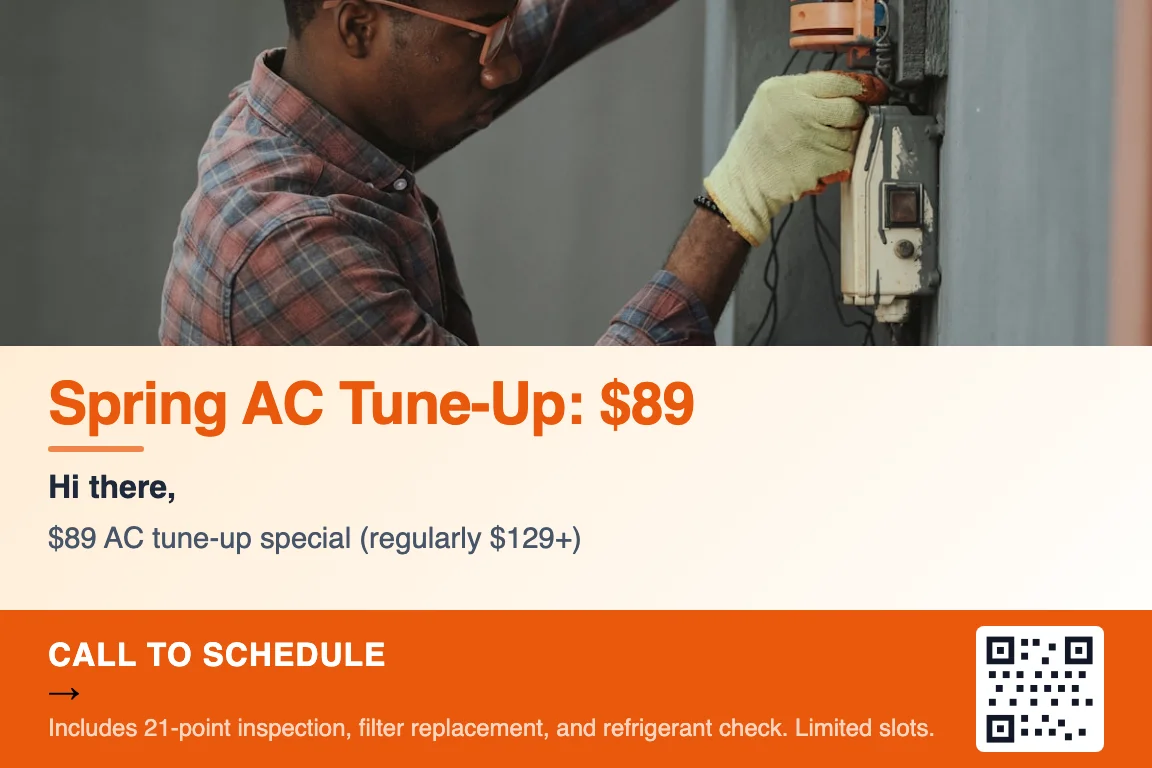
Headline: "Spring AC Tune-Up: $89" · Offer: $89 special vs $129+ regular · 21-point inspection, filter, refrigerant check.
Bold pricing front and center — HVAC customers respond to clear dollar amounts and decide fast. The $89-vs-$129 framing does the heavy lifting before the homeowner even reads the body copy. The follow-up call lands 10–14 days after delivery, with a "we're filling up our spring schedule" hook. Phone is the primary CTA — HVAC customers call more than they book online. Wave 1 typically books 70–80% of total seasonal bookings.
Headline: "Last Week for Spring Pricing" · Offer: $89 tune-up + free filter, ends [date].
21 days after Wave 1, only to non-responders. Hard deadline ("spring pricing ends [date]") and a small bonus (free filter, free thermostat check). Postcard only, no call — the deadline does the work. Adding a real seasonal end date is what separates this from generic urgency theater. After Wave 2, the contact rests for 365 days before re-entering for the next spring cycle. The fall maintenance playbook ships separately for the same list in September.
Both waves, call timing, and copy direction are pre-configured. You set the price, the offer details, and your branding.
From ServiceTitan, Housecall Pro, FieldEdge, or any field service software: export customers with installed AC systems. CSV upload, auto-mapped columns. Or use radius-purchased lists for new acquisition.
Wave 1 mails within 1–2 business days. Your call queue auto-populates 10 days after delivery, scoped to a 40-call-per-day cap so the office isn't overwhelmed.
Pre-loaded call scripts. Office staff books appointments directly into your scheduling tool. Booked customers drop out of Wave 2 automatically.
A typical residential HVAC contractor mails to 500–1,500 past customers for spring tune-ups. Here's the math on a 1,000-home run:
5:1 ROI on Wave 1 alone, before counting upsell, repair work, and replacement revenue.
Run your own numbers in the ROI calculator.
Free to explore — you only pay when you're ready to send. 30-day money-back guarantee.
Single-wave postcard campaigns · Unlimited contacts · From $1.05/piece
Everything in Free + calls, sequencing · From $0.79/piece
Per-piece pricing includes printing + USPS First-Class postage. No hidden fees.
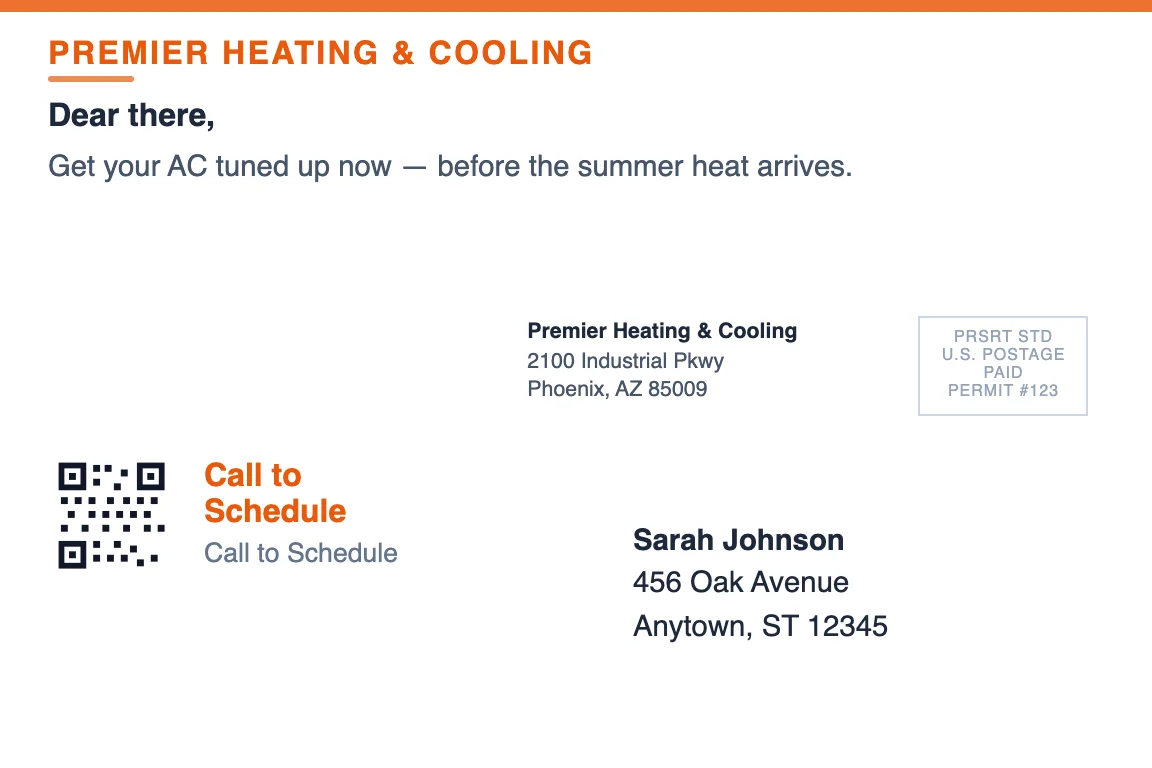
Four design styles, all themed for your HVAC business and ready to customize. Same offer, same call follow-up — just pick the look that fits your brand.
Bold
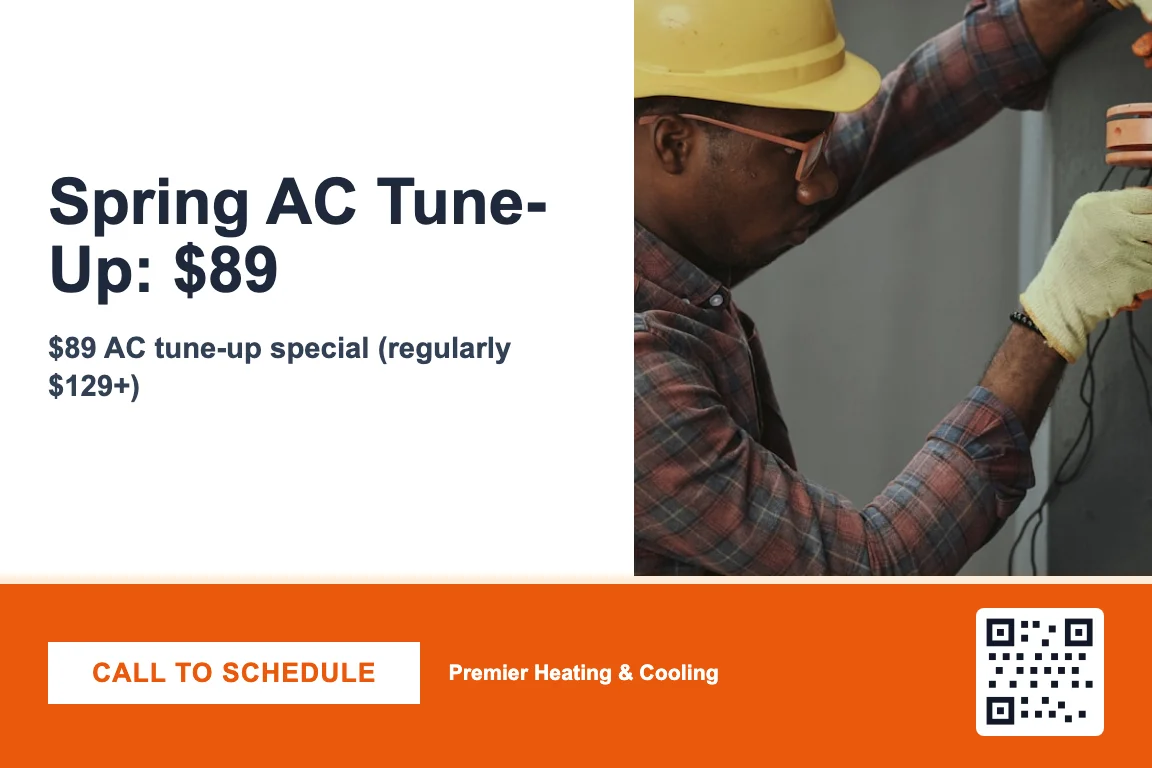
Photo
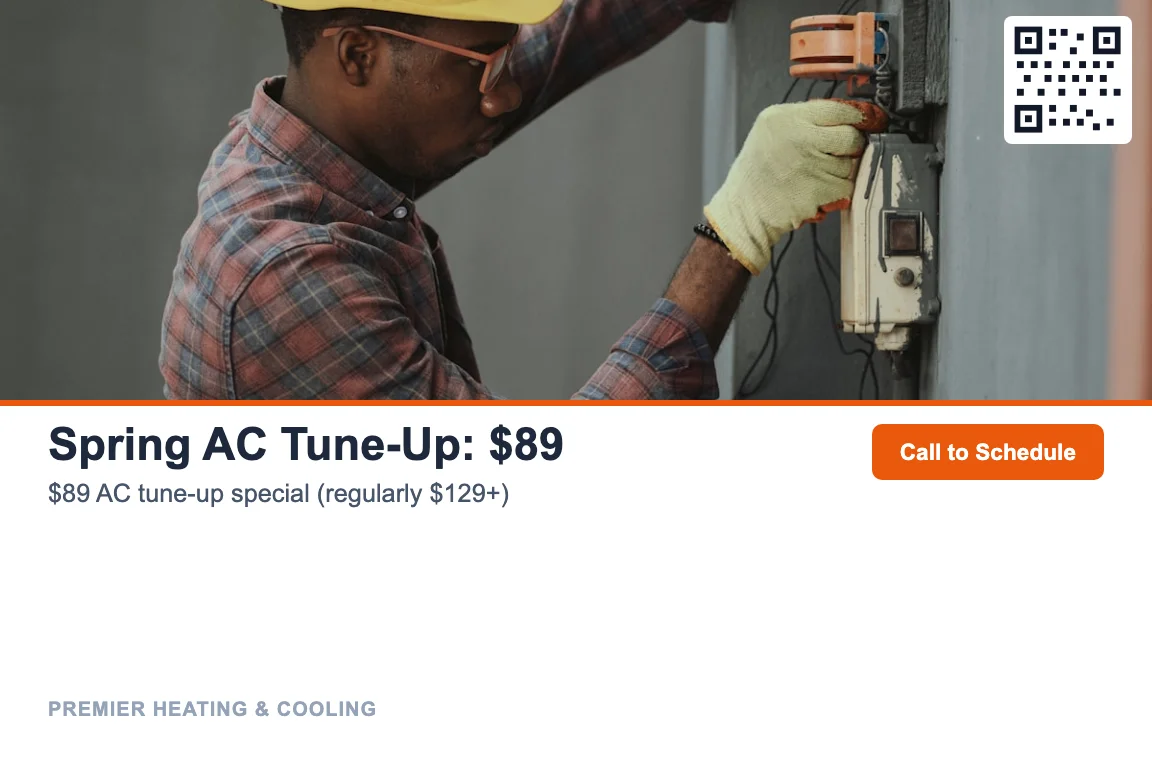
Minimal
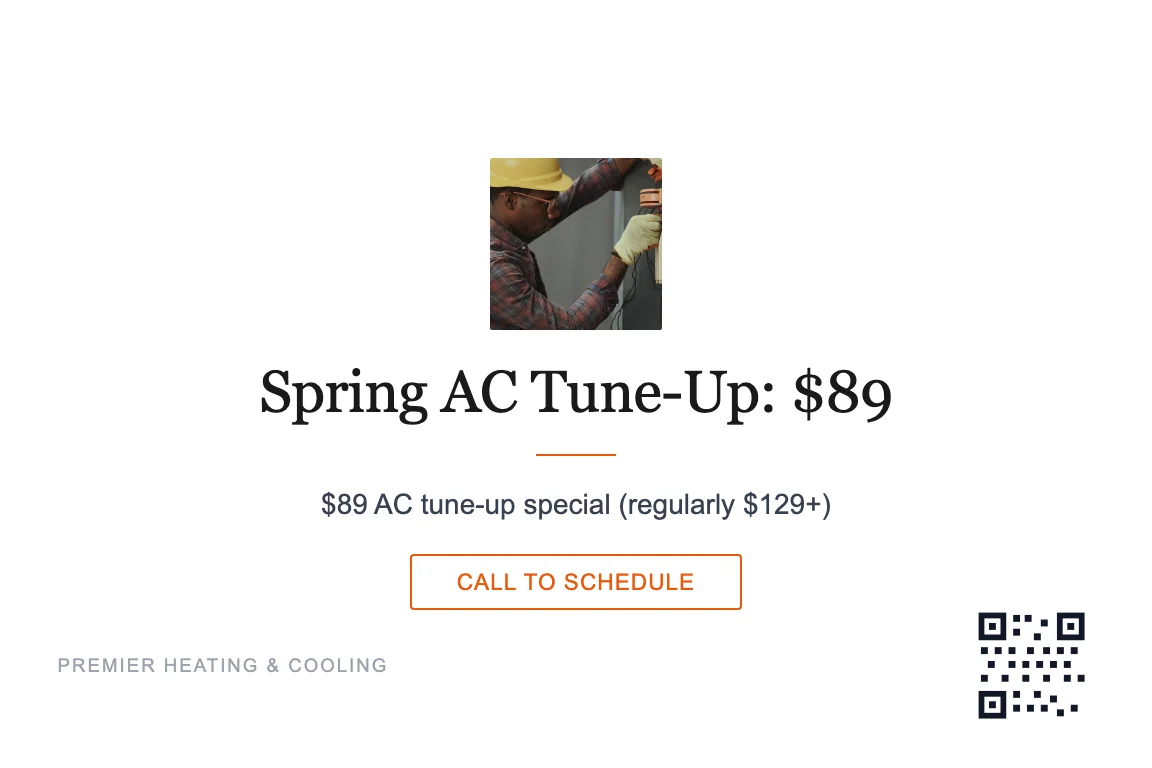
Gradient
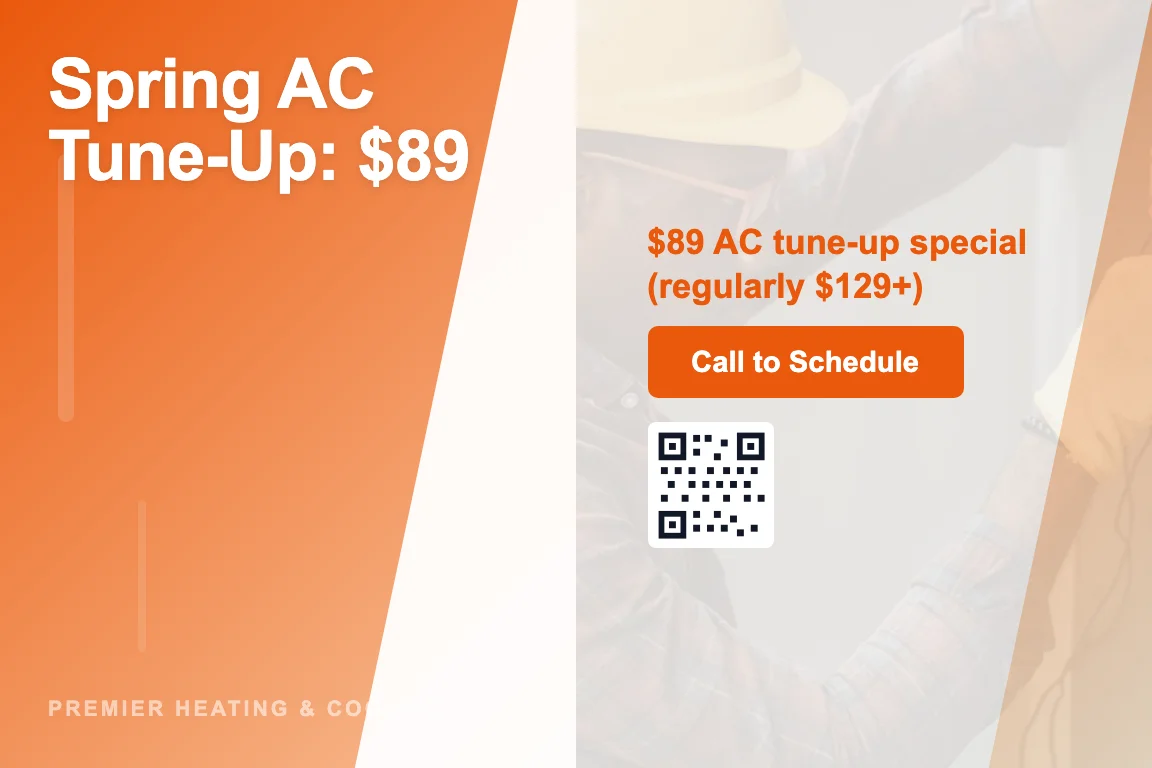
Front Detail
Back (Address Side)
PostKnock seasonal campaigns also work for
Spring tune-ups are the highest-ROI HVAC seasonal play, but PostKnock also runs fall furnace specials, win-back sequences for lapsed past customers, and equipment-age replacement campaigns.
See all HVAC campaigns →Late February through mid-March is the sweet spot. Mail too early (January) and homeowners aren't thinking about AC yet. Mail too late (April or May) and you're competing with emergency calls and full schedules. The PostKnock Spring Maintenance Special playbook ships with a Feb–Mar deploy window flagged in the campaign builder so you don't accidentally launch off-season.
$69–$89 is the conversion sweet spot for a residential AC tune-up special, depending on your market and regular pricing. The trick is showing the discount: "$89 (regularly $129+)" outperforms a flat "$89 tune-up" by 15–25%. Tune-ups are loss-leaders that pay back through repair upsell, replacement leads, and the customer-retention effect — price aggressively to fill the calendar.
Mail to your past customer list first — it's a warm "house" list, and response rates run 6–9%. After your house list, layer in radius-purchased lists targeting homes 10–25 years old (likely to have aging HVAC equipment). Cold radius lists typically convert at 1–2%, which is still profitable on a $89 tune-up that creates a long-term customer.
PostKnock generates the call queue and pre-loaded scripts. When the office books a tune-up, they enter it into ServiceTitan, Housecall Pro, FieldEdge, or whatever dispatch software you use today — PostKnock doesn't replace your scheduling tool. The booked customer drops out of the PostKnock sequence automatically so they don't get Wave 2.
Yes — PostKnock includes a Fall Maintenance Special playbook that mirrors the spring structure with furnace-specific copy. Deploy late August through September. The same customer list flows through both campaigns over the year, with a 365-day rest cycle between identical campaigns and overlapping cadence between spring and fall.
Stop waiting for the phone to ring on the first hot day. Fill your spring tune-up calendar before the season starts.
Start Free — No Credit CardContact Sales
Tell us about your needs and we'll put together a custom plan.
1 ANA (Association of National Advertisers), Response Rate Report 2023, published February 2024.