For Optometry Practices

Optometry Recall Postcards
for Lapsed Patients

A 3-wave postcard plus call sequence built around annual exam cadence and FSA/HSA timing. Bring patients back before their prescription expires.

Start Free — No Credit Card
4.4%
Direct mail response rate
—up to 9% on house lists1
3–5%
Typical reactivation rate
on 3-wave campaigns
$1.05
Per 4x6 card all-in
(printing + USPS postage)

Patients Don't Leave Optometry Practices — They Forget

Vision changes gradually. Most patients overdue for their exam aren't unhappy — they just deprioritized. The right reminder, at the right time in the FSA/HSA cycle, brings them right back.

What Doesn't Work

  • × Generic "we miss you" cards with no offer
  • × January mailings that miss the FSA/HSA Q4 window
  • × Recall emails patients haven't opened in 18 months
  • × Calling once and giving up after voicemail

What Does Work

  • ✓ Wave 1 health-framed reminder with offer + QR
  • ✓ Wave 2 with FSA/HSA "use it or lose it" hook
  • ✓ Wave 3 prescription-expiry urgency
  • ✓ Two-call follow-up timed to land warm

The Optometry Lapsed Patient Reactivation Playbook

3 waves over 10 weeks, 90-day rest between cycles. Each wave has a distinct hook, calibrated to where the patient sits in the FSA/HSA and prescription cycle.

W1
Day 1 · Postcard + Call Day 10–21

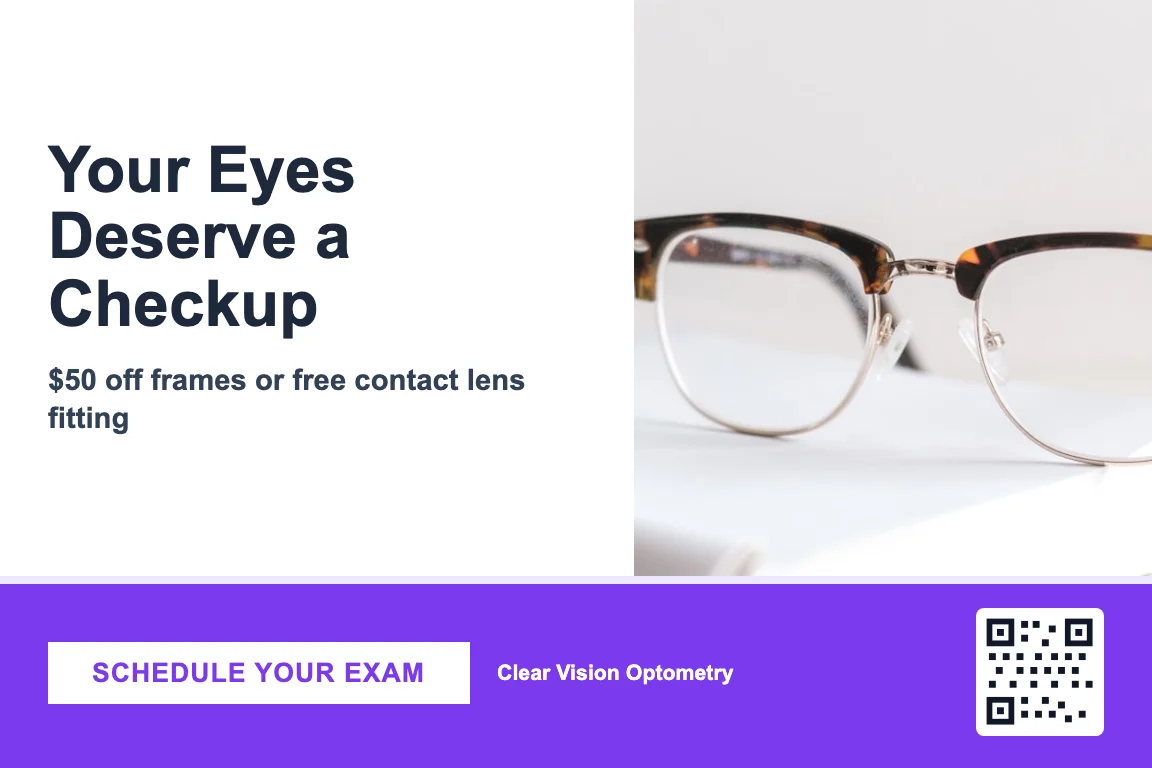
Wave 1 — "Your Eyes Deserve a Checkup"

Headline: "Your Eyes Deserve a Checkup" · Offer: $50 off frames or free contact lens fitting · QR to scheduling.

A health-first, gentle reminder. The lead is "your prescription may be out of date" rather than a sales pitch. This wave does most of the work because lapsed optometry patients usually just need a nudge. The call lands 10–21 days after delivery and references the postcard directly: "I wanted to follow up on the reminder we sent."

W2
Day 29 · Postcard + Call Day 7–14

Wave 2 — "Use It Or Lose It"

Headline: "Use It Or Lose It" · Offer: 20% off a complete pair of glasses, FSA/HSA eligible.

28 days after Wave 1, only to non-responders. The angle is financial: "Your FSA/HSA vision benefits expire soon." For Q4 deployments this hook is gold — patients with leftover FSA dollars and use-it-or-lose-it deadlines are the most reactivation-ready group on your list. Different visual design, different QR for tracking. The Wave 2 call references the postcard and the deadline.

W3
Day 50 · Postcard only (no call)

Wave 3 — "Your Prescription May Be Expired"

Headline: "Your Prescription May Be Expired" · Offer: $50 off frames — final reminder.

21 days after Wave 2. Postcard only — two calls is enough; a third reads as pestering. The hook is practical: an expired prescription means the patient can't reorder contacts or refill lenses online. That's a genuine friction point most patients hadn't thought about. After Wave 3, the patient enters a 90-day rest period before re-entering the cycle.

How It Works

1

Pick the Optometry Recall Playbook

All three waves, call timing, and copy direction are pre-configured. You only set the offer and your practice branding.

2

Export Lapsed Patients From Your EHR

From Crystal PM, OfficeMate, RevolutionEHR, Compulink, Eye Cloud Pro, or Maximeyes: filter by last exam date older than 14 months, export CSV. PostKnock auto-maps the columns.

3

Launch — Postcards Mail Within 2 Business Days

Wave 1 prints and drops into USPS within 1–2 business days. Your call queue auto-populates 10 days after delivery. Wave 2 mails 28 days later only to non-responders.

4

Front Desk Works the Call Queue

Pre-loaded scripts. Staff log outcome (booked, voicemail, wrong number, do-not-contact). Booked patients drop out of the sequence automatically.

The Math on a 400-Patient Optometry Recall

A typical independent optometry practice has 300–500 patients overdue 14+ months. Here's the math on a 400-patient run:

  • Wave 1: 400 cards · Wave 2: ~340 cards · Wave 3: ~310 cards
  • Total: ~1,050 postcards × $0.79 (Pro) = $830 in postcard spend
  • Reactivation rate at 4% → 16 patients return
  • Average optometry visit + frame/lens sale = $650 per reactivated patient
  • 16 patients × $650 = $10,400 in first-visit revenue

12:1 ROI on first-visit revenue alone — before you count the recurring annual exams that follow.

Run your own numbers in the ROI calculator.

Simple, Transparent Pricing

Free to explore — you only pay when you're ready to send. 30-day money-back guarantee.

Free

$0/forever

Single-wave postcard campaigns · Unlimited contacts · From $1.05/piece

Most Popular

Pro

$99/mo

Everything in Free + calls, sequencing · From $0.79/piece

Per-piece pricing includes printing + USPS First-Class postage. No hidden fees.

What You'll Actually Send

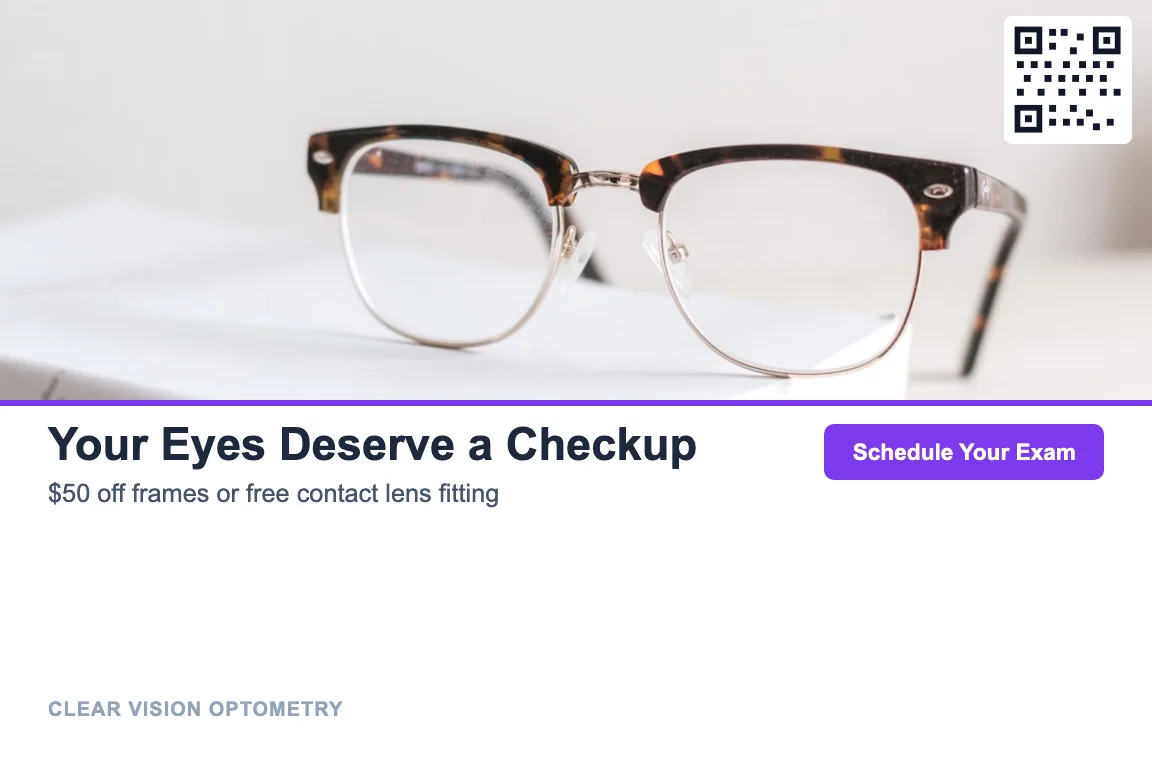
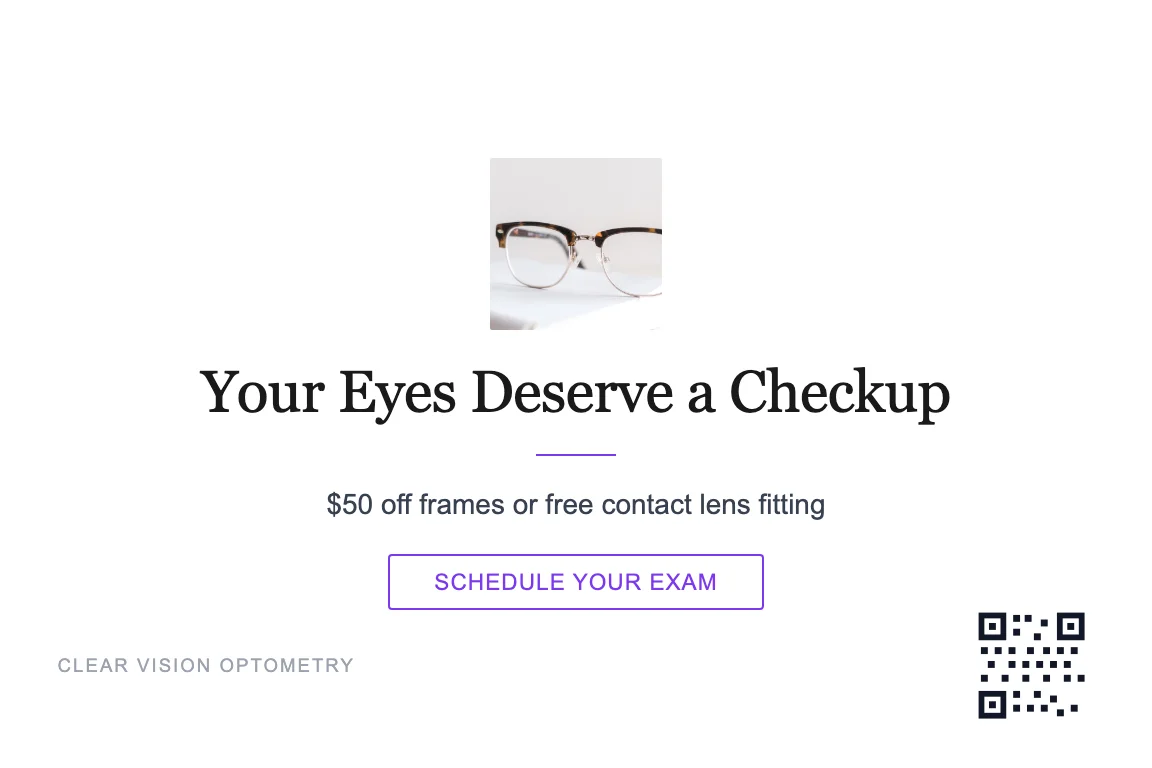
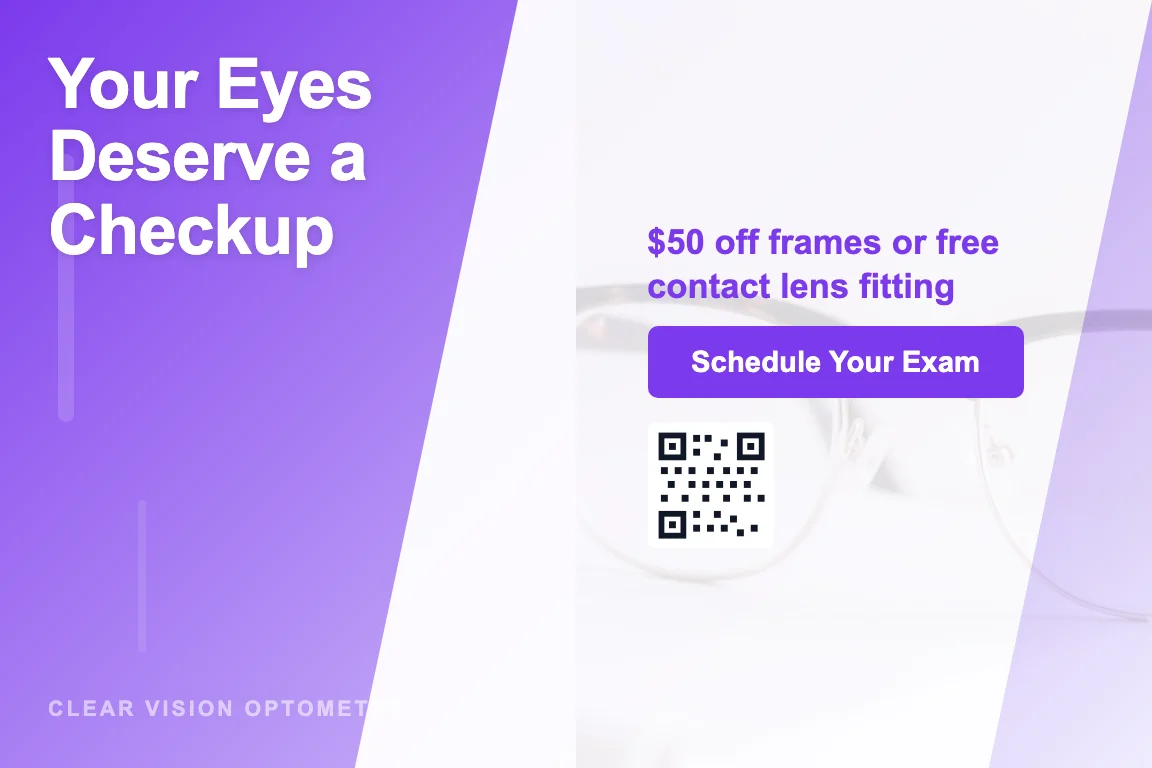
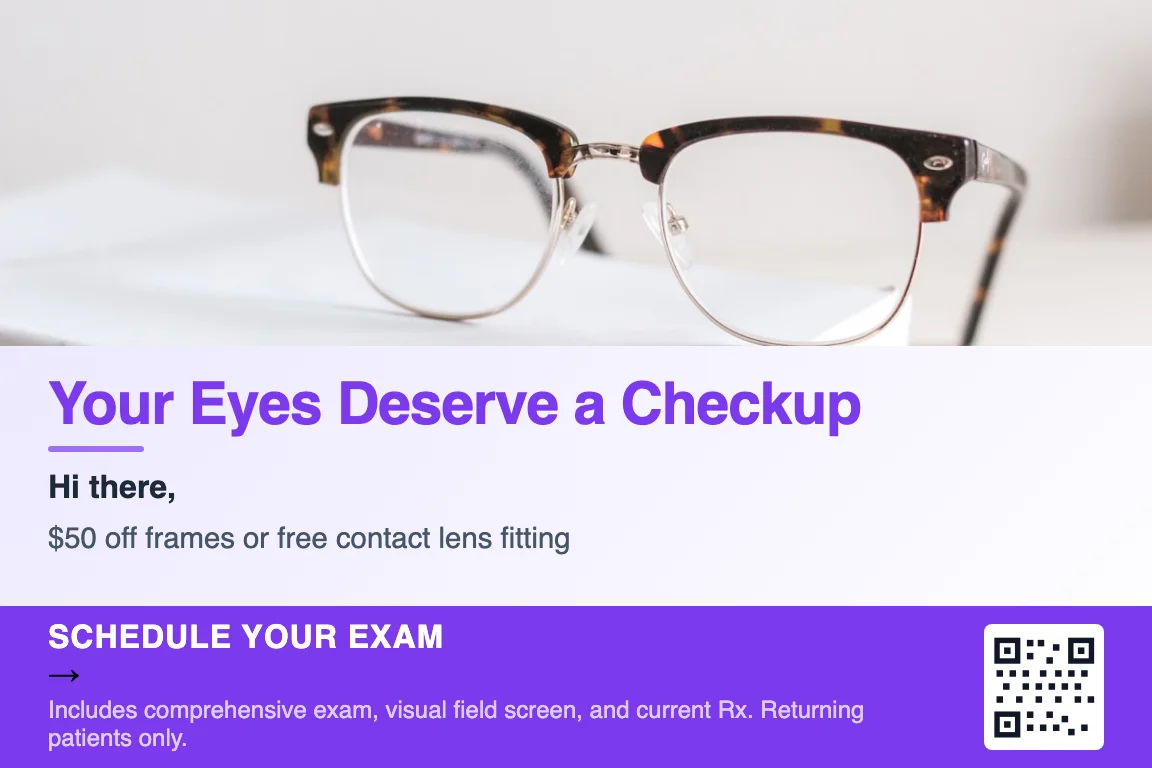
Four design styles, all themed for your optometry practice and ready to customize. Same offer, same call follow-up — just pick the look that fits your brand.

Bold
Bold optometry practice postcard design — Lapsed Patient Reactivation

Photo

Photo-led optometry practice postcard design — Lapsed Patient Reactivation

Minimal

Minimal optometry practice postcard design — Lapsed Patient Reactivation

Gradient

Gradient optometry practice postcard design — Lapsed Patient Reactivation

Front Detail

Detailed view of optometry practice postcard front — Lapsed Patient Reactivation

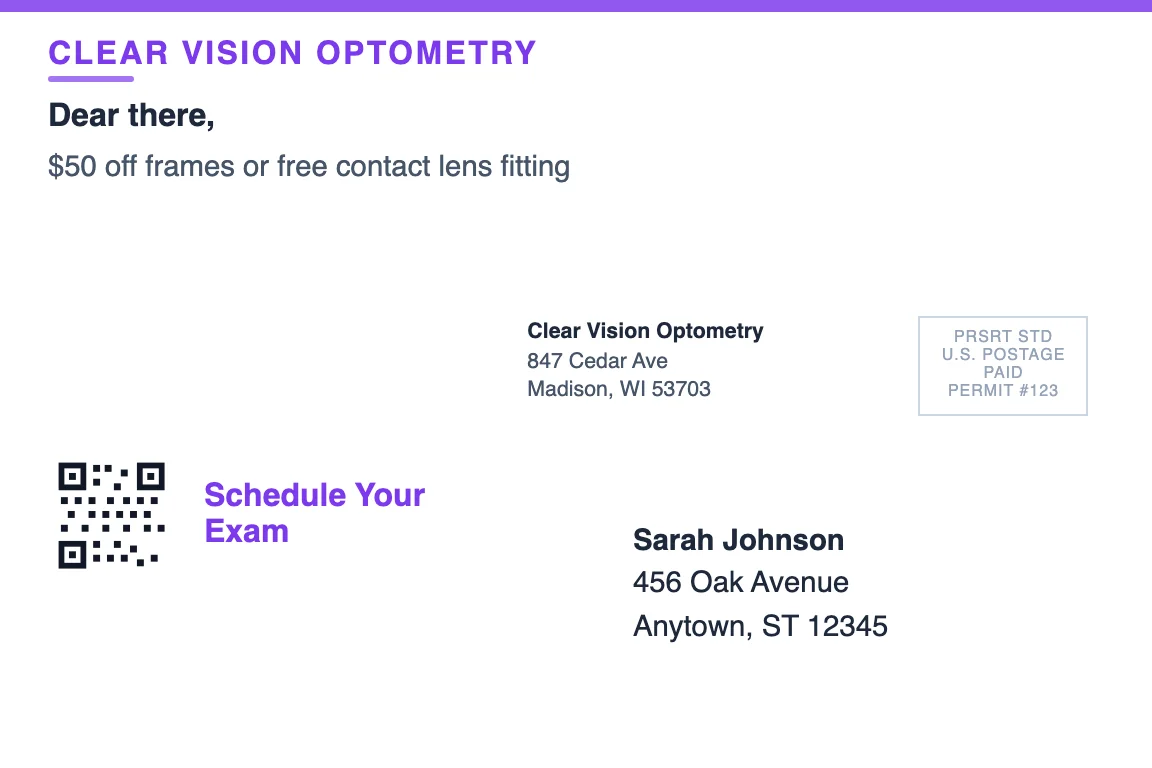
Back (Address Side)

optometry practice postcard back showing return address and recipient zone — Lapsed Patient Reactivation

PostKnock recall campaigns also work for

More Optometry Campaigns

Recall is the highest-ROI optometry play, but PostKnock also runs new mover welcome campaigns and seasonal back-to-school promos. See the full lineup on the optometry hub.

See all optometry campaigns →

Optometry Recall Postcard FAQs

When is the best time of year to send optometry recall postcards?

October and November are the highest-converting months because of FSA/HSA "use it or lose it" pressure. January is the second-best window (vision insurance benefits reset). Avoid mailing in mid-December — the holiday mail crush smothers response rates. PostKnock campaigns run continuously, so you can also let the system mail recall cards every month based on each patient's individual lapse date.

What offer works best on an optometry recall card?

For Wave 1, $50 off frames or free contact lens fitting is the high-ROI baseline — both reduce friction without devaluing the exam itself. Avoid offering a "free exam" alone; optometry exams are insurance-covered for most patients, so a free exam isn't actually a meaningful incentive. Save bigger discounts (20% off a complete pair) for Wave 2 with the FSA/HSA hook.

How do I export lapsed patients from Crystal PM, OfficeMate, or RevolutionEHR?

Crystal PM: Reports → Patient Reports → "Recall Due" with custom date filter. OfficeMate: Reports → Patient Demographics → filter by Last Exam Date. RevolutionEHR: Reports → Patients → "Inactive Patients" or filter Active Patients by Last Visit Date. Export to CSV with name, address, phone, and last exam date. PostKnock's import wizard auto-detects each column.

How long after the postcard mails should we make the follow-up call?

10–21 days after delivery. USPS First-Class delivers in 3–5 business days, so by day 10 the patient has likely seen the card. Calling earlier feels intrusive; calling later means they've forgotten. PostKnock auto-populates the call queue in this exact window so the front desk doesn't have to track timing manually.

Should the postcard mention the patient's prescription expiration?

Save explicit prescription-expiry messaging for Wave 3. Wave 1 should be warmer ("your eyes deserve a checkup"). Wave 2 leans on FSA/HSA timing. Wave 3 brings the practical hook that an expired Rx means they can't reorder contacts online. Stacking all three messages on one postcard dilutes each one — the wave structure is what makes each angle land.

Ready to Get Started?

Stop sending one-off recall cards and hoping. Run the 3-wave optometry sequence that brings lapsed patients back.

Start Free — No Credit Card

1 ANA (Association of National Advertisers), Response Rate Report 2023, published February 2024.

2 IBISWorld, “Optometrists in the US — Number of Businesses,” 2024.