Spring tune-ups, summer pool openings, back-to-school specials, holiday gift cards — time a postcard to land before the rush, then follow up with a phone call. Pre-built playbooks for 50+ industries.
Start Free — No Credit CardA seasonal promotion postcard is a physical mail piece timed to a moment when demand for your service spikes — or when you want to create demand. It pairs a time-bound offer with a clear deadline, so the prospect has a reason to act now instead of "someday." Think AC tune-up before the first heat wave, gutter cleaning before the leaves fall, a holiday gift-card promo in November, or a back-to-school checkup special.
Any business whose calendar has peaks and valleys: home services with weather-driven demand, salons and spas with holiday rushes, retail and restaurants with gift-card seasons, fitness studios with a January surge. If your year has a "busy season," you can mail ahead of it.
A postcard needs no envelope and nothing to open — the offer and the deadline are visible the instant it hits the mailbox. That immediacy matters when the whole point is acting before a date. It also lands in a channel that isn't buried under everyone else's seasonal email blast.
Seasonal demand is predictable — you know roughly when the phones should be ringing. The trick is being top-of-mind a couple of weeks before that, with an offer people can't scroll past. Mail (plus a call) gives you a dated, physical reminder sitting on the counter.
Industry studies typically report direct-mail response rates in the low-to-mid single digits (often cited around 3–6% for a house list, and lower for cold prospect lists),1 with results varying widely by offer, timing, list quality, and follow-up. Treat any number as an estimate, not a promise — your offer and timing drive the outcome.
Postcards that get attention. Callbacks that close the deal. Here's the whole loop — four steps, no agency.
Choose a pre-built multi-touch wave sequence for your industry and season (50+ verticals — spring maintenance, pool opening, fall tune-up, holiday promo, and more). Wave timing, message direction, UTMs, and call scripts come pre-configured — up to 5 waves. Bring in your list by exporting a CSV from your existing system; the import wizard auto-maps the name, address, and phone columns. (PostKnock doesn't connect to or sync with third-party software — it's a one-time CSV export and import you can repeat any time.)
Start from an industry template and edit it in the in-app Design Studio — your logo, your seasonal offer, your colors, your deadline. Choose 4×6, 6×9, or 6×11. Add a QR code that links straight to your booking page or offer.
Postcards print and ship via USPS First-Class automatically — printing and postage are included in the per-piece price. Mail to your own customer list, or run an EDDM-style saturation mailing to blanket a neighborhood with a seasonal offer. You pay from your wallet, per piece, only for what you send.
A few days after delivery, the built-in Call Queue (a Pro feature) fills up with the people who got the card. Your front desk works the queue with the wave's pre-loaded call script and logs each outcome. People who don't book roll forward into the next wave — while the seasonal window is still open. This postcard-then-phone one-two punch is the part most "just mail it" tools leave out.
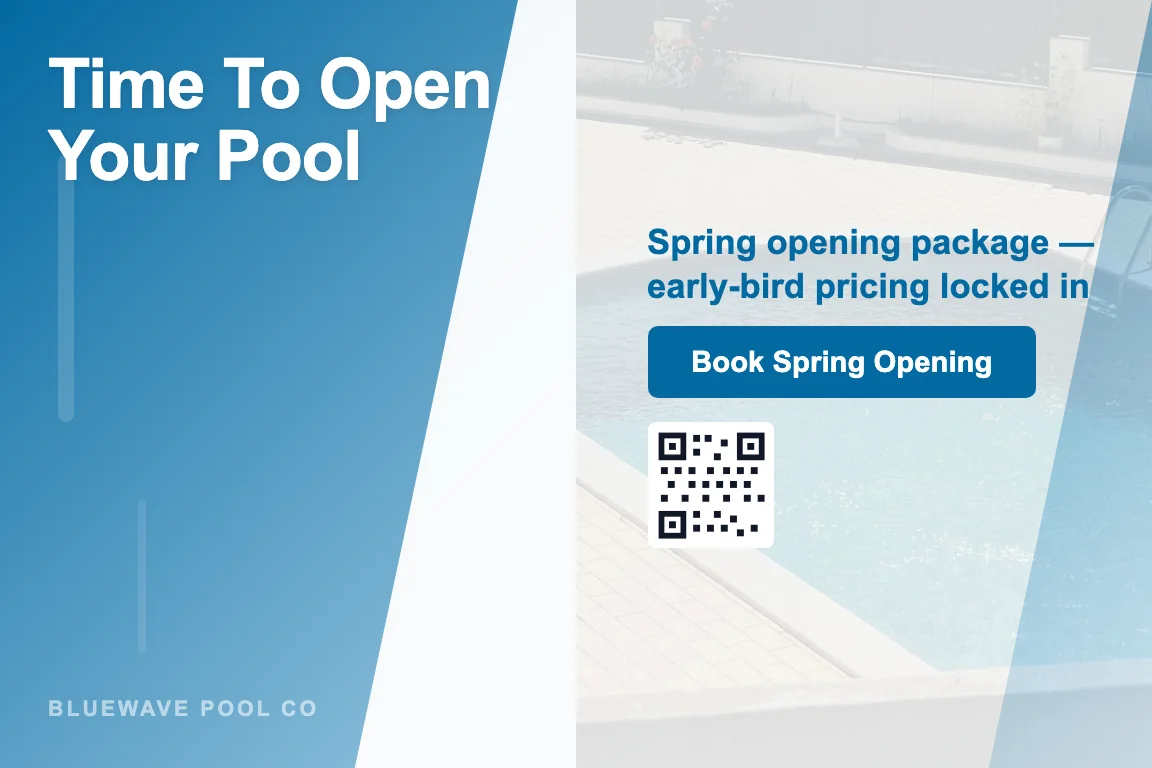
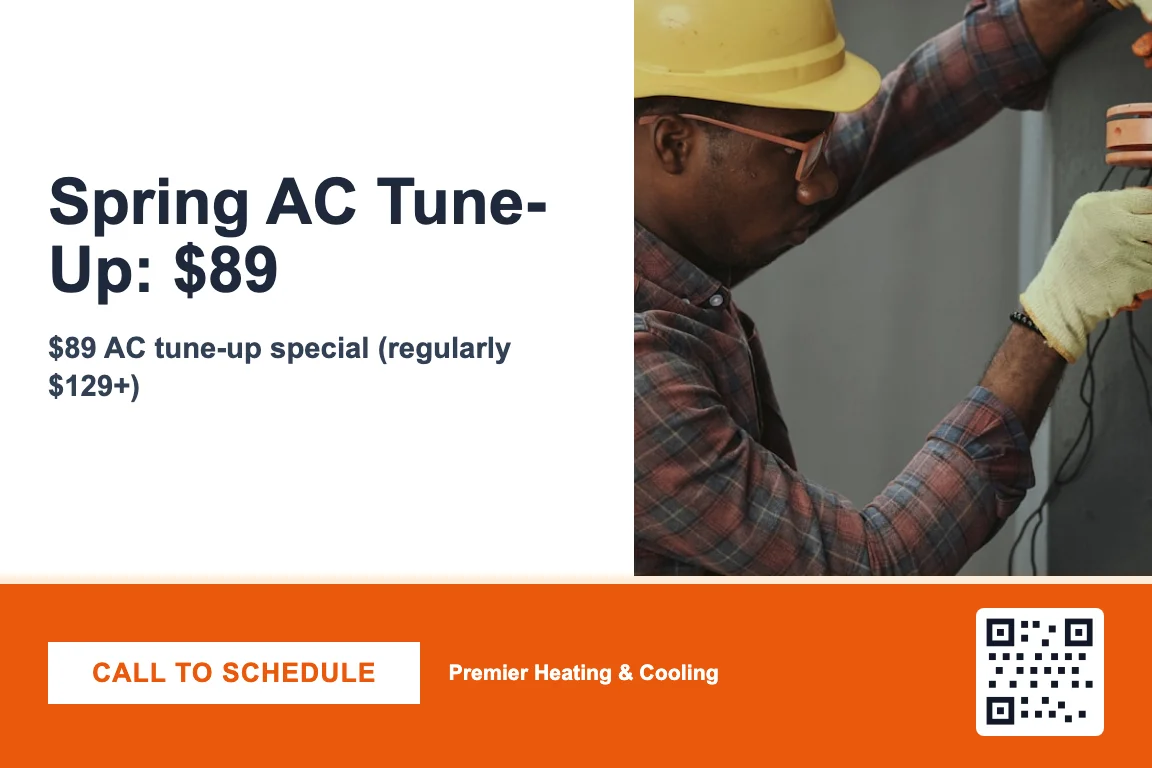
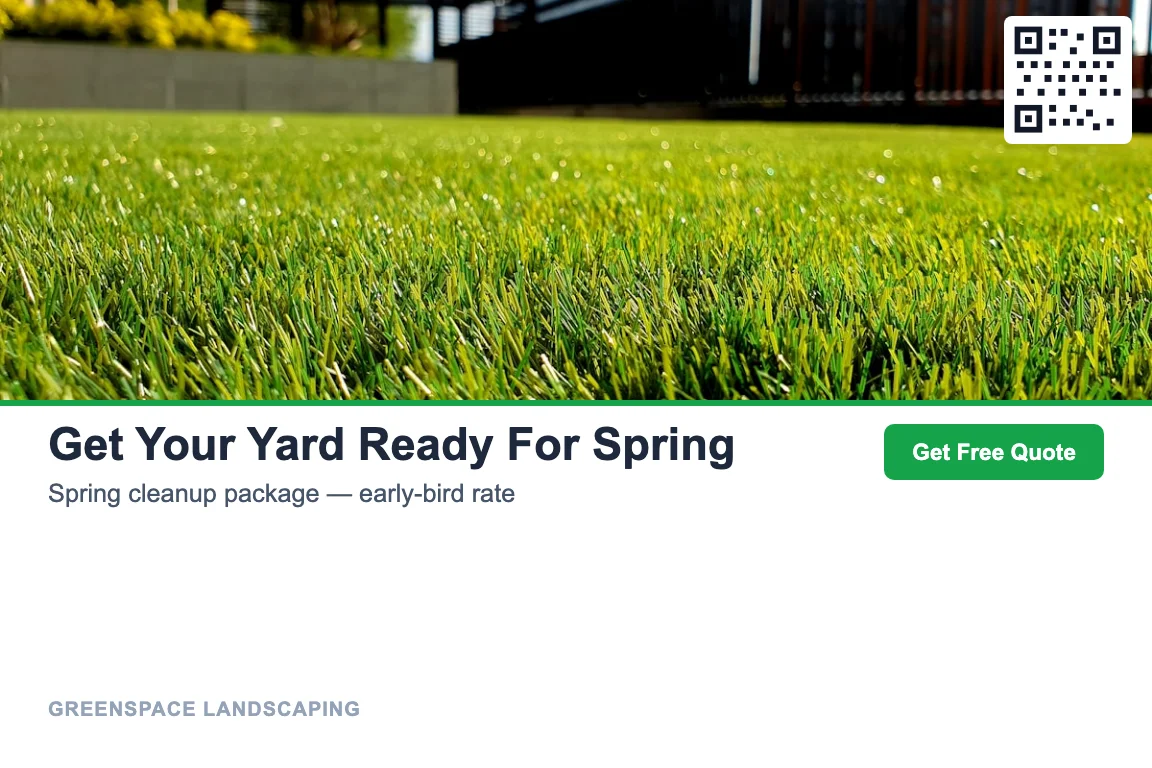
Real postcard designs, themed per industry and ready to customize in the Design Studio. Add your seasonal offer and deadline, and the same postcard + call sequence works across all of them.
Landscaping
Pool Service
HVAC
Med Spa
A seasonal promo only works if it lands before the rush. A few common windows — adjust to your market and weather.
AC tune-ups, lawn & landscaping cleanups, pool openings, gutter cleaning. Mail a few weeks before the first warm stretch so the booking happens before everyone calls at once.
Pest control, mid-season pool maintenance, mobile detailing, travel-season checkups. Drop a card when demand is steady to keep the schedule full through the slower mid-summer dip.
Furnace and heating tune-ups, leaf removal, winterization, back-to-school checkups. Mail before the first cold snap so the offer beats the seasonal email pile-up.
Gift cards, holiday packages, end-of-year "use it or lose it" promos, January membership pushes. A dated offer on the counter beats a notification that's already scrolled away.
A seasonal campaign is short — you want to know fast whether it's landing. Add a QR code to any postcard and watch the scans roll in.
Each card carries a QR code linking to your booking page or seasonal offer, so a scan is a measurable signal that the card got noticed.
Playbooks set UTM parameters on the destination URL, so the seasonal traffic shows up labeled in your own web analytics — separate from your other channels.
For the people who don't scan, the Call Queue gives your team a second, human touch before the window closes — and a logged outcome either way.
No credit card, no minimum, no time limit. You only pay when you send — from your wallet, per card. Perfect for a one-time seasonal push.
Single-wave postcard campaigns · Unlimited contacts · From $1.05/piece
Everything in Free + the Call Queue & multi-wave sequences · From $0.79/piece
Per-piece pricing includes printing + USPS First-Class postage. Pro is $99/mo or $799/yr. See full pricing →
The same postcard + call playbook, tuned for your season. A couple of verticals with their own seasonal guide:
It's a postcard timed to a moment when demand for your service spikes — a spring tune-up, a holiday gift-card push, a back-to-school special. It pairs a time-bound offer with a clear deadline and a way to respond, like a QR code to your booking page. PostKnock then follows the card with a phone call so the outreach isn't a single touch.
Aim to land it a couple of weeks before demand peaks, not during the rush. For weather-driven services, that usually means mailing ahead of the first warm or cold stretch; for gift-card and holiday promos, well before the buying window. A playbook helps by pre-setting the wave timing, and you can adjust dates to your own market.
Results vary a lot by offer, timing, and list quality, so treat any figure as an estimate. Industry studies typically report direct-mail response rates in the low-to-mid single digits, often cited around 3 to 6 percent for a house list and lower for cold prospect lists. A dated offer that lands before the rush, plus a phone follow-up for non-responders, tends to perform better than a single untimed touch.
A few days after a card is delivered, PostKnock's built-in Call Queue (a Pro feature) populates with the people who received it. Your team works the queue using the playbook's pre-loaded call script and logs each outcome. Anyone who doesn't book rolls forward into the next wave while the seasonal window is still open. The calls are made by your own staff — PostKnock organizes the queue and scripts.
Yes. Alongside mailing your own customer list, you can run an EDDM-style saturation mailing to blanket a neighborhood with a seasonal offer — useful when you want new local customers ahead of your busy season, not just repeat bookings from existing ones.
They start at $1.05 per 4x6 postcard on the Free plan and drop to $0.79 on Pro, with printing and USPS First-Class postage included in that per-piece price. You pay from your wallet only for what you send — no setup fees, no minimums, no contracts — which suits a one-time seasonal push. Pro is $99/mo or $799/yr and adds the Call Queue and multi-wave sequences.
Any service business with a busy season. PostKnock ships pre-built playbooks for 50+ industries — HVAC, landscaping, pool service, pest control, med spa, salons, fitness studios, home services, and more. The postcard-plus-call sequence is the same; the timing, messaging direction, and call scripts are tuned per vertical and season.
Export your customers as a CSV from whatever system you already use, then upload that CSV to PostKnock. The import wizard auto-maps name, address, and phone columns. PostKnock does not connect to or sync with third-party software directly — the flow is a one-time CSV export and import, which you can repeat whenever you refresh the list for the next season.
Yes. Each postcard can carry a QR code linking to your booking page or offer, so scans give you a measurable response signal, and playbooks add UTM parameters so the traffic shows up labeled in your own web analytics. Logged call outcomes from the Call Queue tell you how the human follow-up went.
Three sizes: 4x6, 6x9, and 6x11. You design any of them in the in-app Design Studio, starting from an industry template and editing the copy, seasonal offer, colors, and logo to match your brand.
Pick a playbook, design a card, mail it ahead of the rush, and work the Call Queue. Start free — you only pay when you send.
Start Free — No Credit Card1 Direct-mail response-rate ranges are drawn from general industry benchmarks (e.g. ANA / DMA Response Rate Report coverage). Figures are estimates that vary widely by list, offer, timing, and follow-up — presented here as a range, not a guarantee.